Krishna Jaganathan

Krishna Jaganathan

B.S. Computer Engineering

Georgia Institute of Technology

kjaganathan7 at gatech dot edu

About

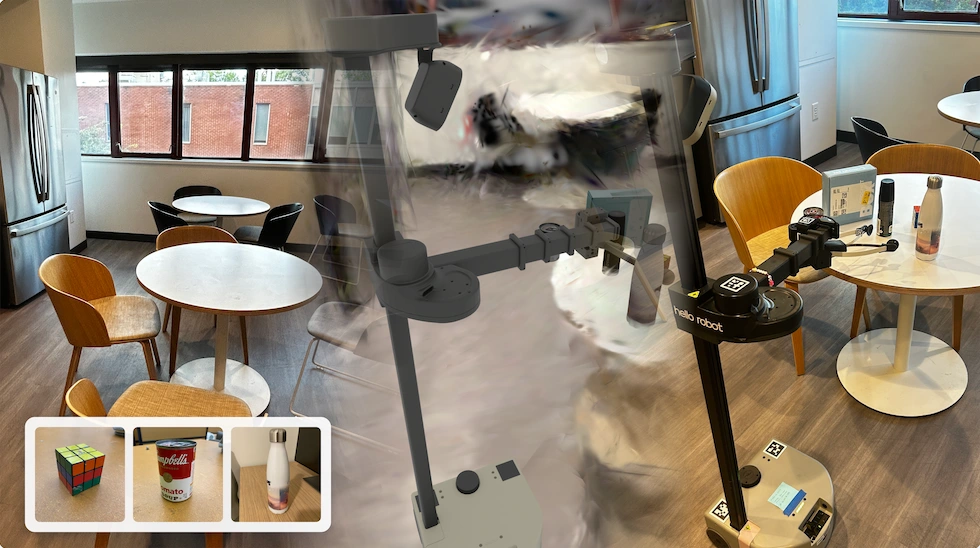
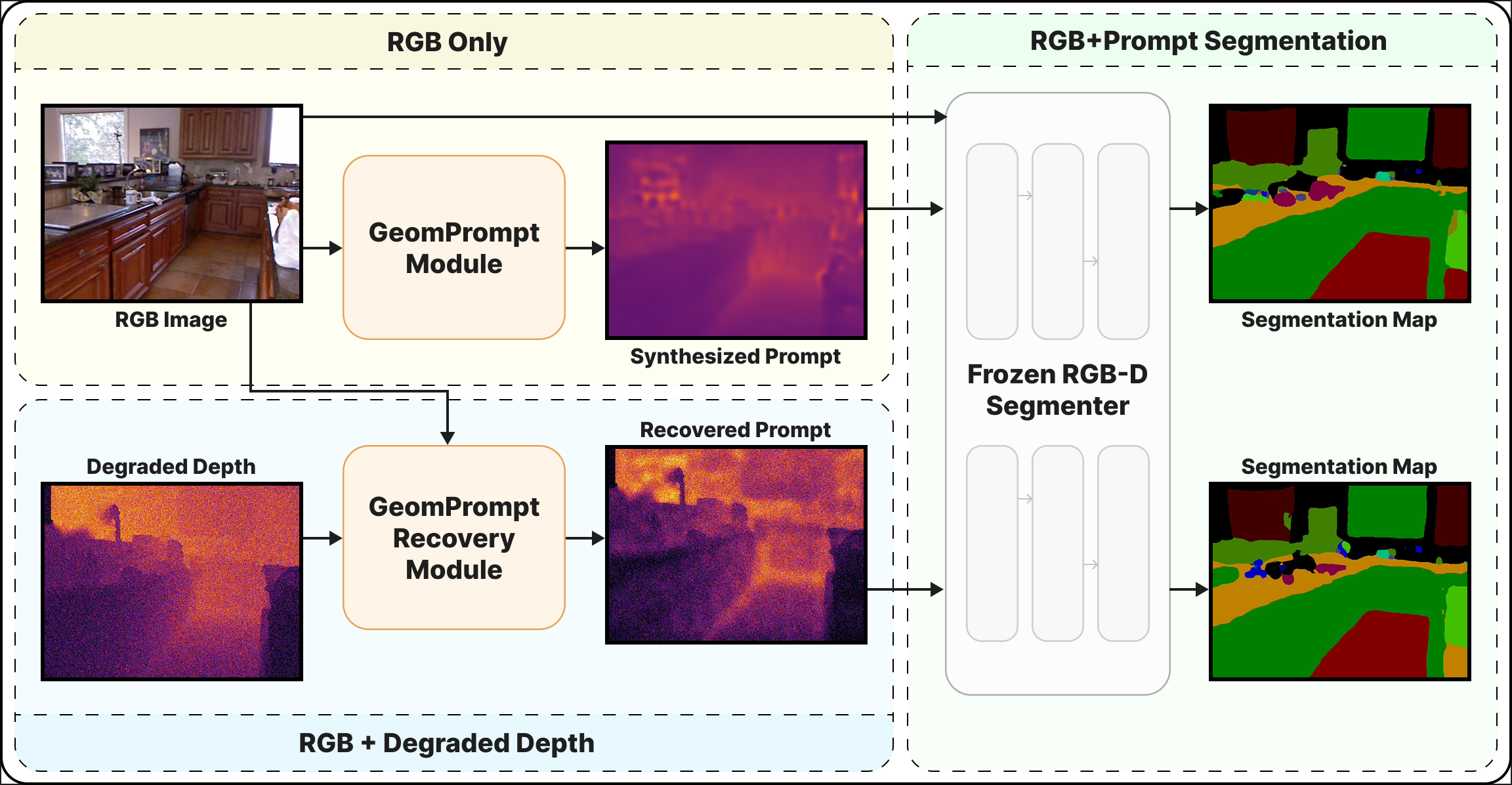
I'm Krishna, an undergraduate in computer engineering at Georgia Tech. I am a researcher at the RIPL Lab (Prof. Zsolt Kira) and IVALab (Prof. Patricio Vela). I'm interested in multimodal large language models for grounding robot perception and navigation, along with 3D reconstruction for robot policy training to reduce the sim-to-real gap in embodied AI. Most recently, I've been exploring modality hallucination to improve semantic segmentation for downstream object goal navigation tasks without depth information.

Georgia Institute of Technology

B.S. Computer Engineering

GPA: 4.0 / 4.0

Atlanta, GA

August 2025 - Present

Research Advisors

Publications

2026

UVTrack360: UWB-aided Tracking in 360° Videos with Open-Vocabulary Descriptions

Krishna Jaganathan, Ashutosh Dhekne

IEEE International Symposium on a World of Wireless, Mobile and Multimedia Networks (WoWMoM) Under Review

UVTrack360 Teaser
2024

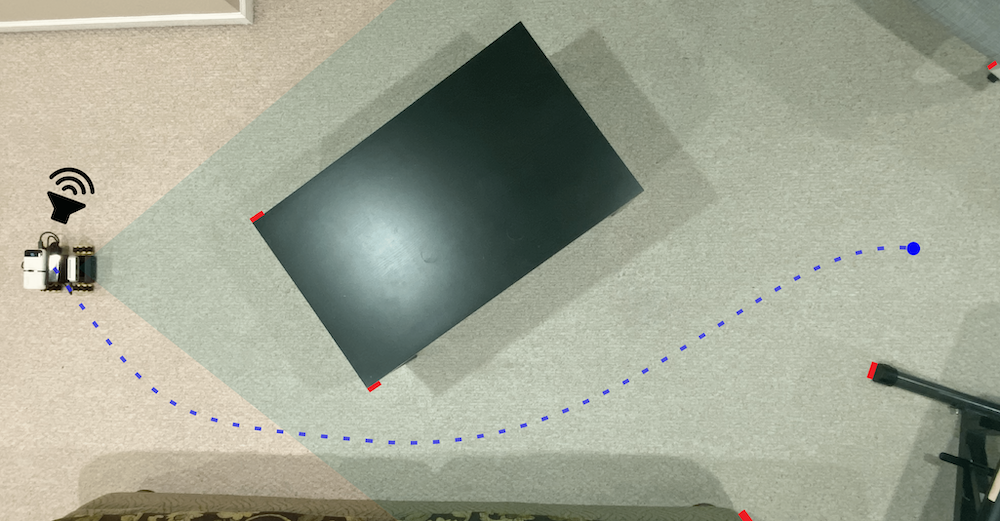
INAVI: Indoor Navigation Assistance for the Visually Impaired

Krishna Jaganathan

NeurIPS 2024 High School Track - Spotlight

INAVI Teaser

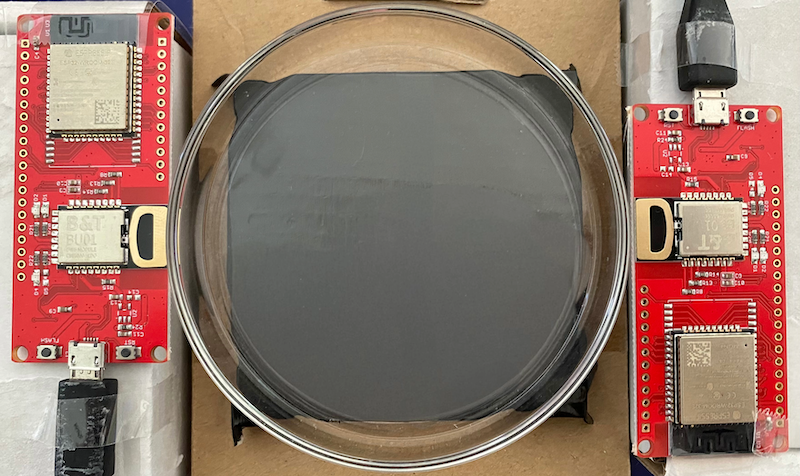
Bistatic Ultra-Wideband Radar for Noninvasive Water Quality Monitoring

Krishna Jaganathan

IEEE International Conference on Communications, Networks, and Satellite (COMNETSAT) 2024

UWB Teaser

Projects

Vision-Language Models for Robot Vision and Navigation

A project employing vision-language models (VLMs) for efficient robot perception and dynamic path planning. The system synthesizes probabilistic Hough transforms with semantic scene information to optimize edge detection and obstacle identification, intelligently partitions environments to decide optimal paths, and performs VLM-guided terrain analysis for adaptive motor control on varied surfaces.


Adaptive Robot Navigation and Control

A navigation and control system for autonomous vehicles combining the Pure Pursuit controller with a novel O(1) motion profiling algorithm. Features real-time feedback from IMU and wheel velocities, path replanning based on probability metrics, arc-length parameterized Bezier curve path generation, and automated PID tuning via regression on previously executed paths.